
Grease Those Seals: Simple Caravan Maintenance
One often overlooked, but incredibly important, aspect of caravan maintenance is to Grease your Caravan Seals. Whether it’s the seals around your windows, lockers, or the toilet, these rubber components keep water out, help maintain insulation, and ensure your caravan remains cozy and dry. But rubber, like all materials, can deteriorate over time. If left unmaintained, your seals can dry out, crack, and allow unwanted water to seep in, potentially causing costly damage.
Today, we’ll dive into how you can keep those seals in top condition with just a simple and effective maintenance routine. Let’s make sure your caravan stays watertight and ready for your next adventure.
Why You Should Care About Greasing your Caravan Seals
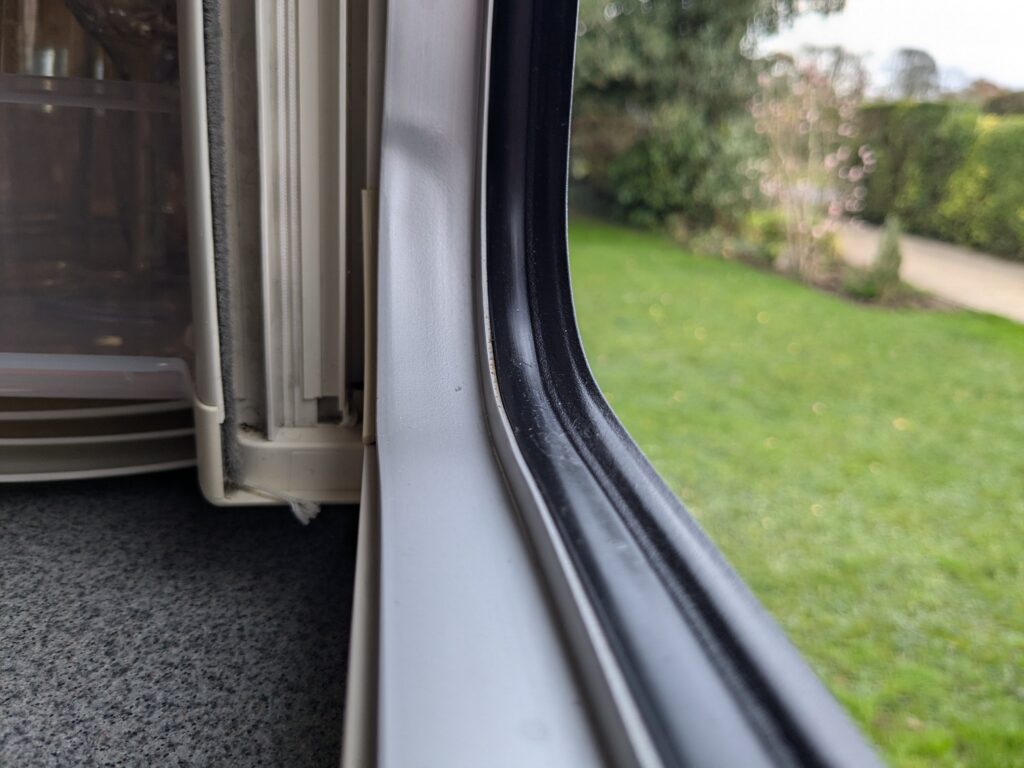
Caravan seals play a crucial role in keeping your living space dry and comfortable. They act as a barrier, preventing water from entering through windows, doors, lockers, and the toilet. However, over time, exposure to the elements can cause these seals to degrade. When this happens, water can sneak in, causing dampness, mold, and even structural damage to your van. The phenomenon of water climbing through seals using capillary attraction is a sneaky issue, meaning that even small cracks or weaknesses can lead to major problems.
To prevent this, you need to keep your seals supple and waterproof. The best way to do this? Grease them regularly!
When Should You Grease Your Caravan Seals?
It’s recommended to Grease your Caravan Seals about every six months to keep them in good shape. However, if you’ve been through an exceptionally hot summer or a wet winter, you may want to do this more frequently. Temperature extremes can accelerate the drying out of rubber, so staying proactive about seal care can save you from future headaches.
What Type of Grease Should You Use?

There are a few options when it comes to greasing your seals, but silicone grease is the best choice for the job. Here’s why:
- Durability: Silicone grease lasts longer than other lubricants and does a better job of keeping seals waterproof and flexible.
- Rubber-Friendly: It’s specifically designed for rubber, so it will keep the seals in their best condition without causing them to degrade or become brittle.
- Readily Available: You can easily find silicone grease at plumbing merchants or online, and it doesn’t take much to do the job. A little goes a long way!
Although silicone spray is a good alternative, it’s typically used for cleaning and light lubrication. Silicone grease is thicker and more effective at maintaining the flexibility of rubber seals over time.
Prounol Silicone Grease
How to Grease Your Caravan Seals
It’s a simple process that can make a world of difference. Here’s how to do it:
- Clean the Seals First: Before applying any grease, clean your seals to remove dirt, dust, and any old lubricants. Use a damp cloth or a mild cleaner to wipe down the rubber, and make sure it’s completely dry before applying any grease.
- Apply the Grease: Use a small amount of silicone grease on your fingers or a cloth. Gently rub the grease along the rubber seals, ensuring they are covered evenly. Be sure to coat the entire seal—don’t just apply it to the parts that look worn out. This will help keep the rubber supple all over, which can prevent cracking and drying.
- Rub It In: After applying the grease, use a clean cloth to wipe away any excess. This ensures the grease is absorbed into the rubber and not just sitting on top of it.
- Test the Seal: Close your caravan’s windows, lockers, or doors, and check for any gaps or weaknesses. Press along the locking edges of your lockers to ensure all latches engage properly. This will ensure a good, tight seal and prevent any potential water ingress.
Seals to Focus On
There are a few seals that you should pay particular attention to, as they’re often the first to wear down:
- Window Seals: These are typically exposed to the most sunlight, rain, and temperature extremes. Make sure they stay flexible and waterproof.
- Locker Seals: These are frequently opened and closed, so they can wear out more quickly. Keep them greased to prevent them from losing their ability to keep water out.
- Toilet Seals: The toilet compartment is an area where water ingress can cause significant issues, so don’t forget these seals in your maintenance routine.
Special Tips for Other Seals
While silicone grease is excellent for most seals, there are a couple of other places in your caravan where a different type of lubricant may be useful:
- Awning Channels: Use silicone spray here. It’s cleaner and won’t leave a greasy residue that could attract dirt. The spray will also help awning zips slide more easily, which can be especially helpful when you’re setting up or packing away your awning.
Conclusion
Greasing your caravan seals is a simple yet incredibly effective way to maintain your caravan’s integrity and ensure that it stays dry, safe, and comfortable. Regular maintenance of your seals with silicone grease will keep them flexible, waterproof, and free of cracks, ultimately extending the life of your caravan. A little effort today can prevent big headaches down the road.
How often should I grease my caravan seals?
You should grease your seals at least every six months, or more often if you’ve had extreme weather conditions like heat or rain.
Can I use regular grease on my seals?
It’s best to use silicone grease specifically designed for rubber seals. Regular grease can degrade rubber over time.
Can silicone spray be used instead of silicone grease?
Silicone spray is fine for awning channels, zips, and other non-rubber seals. However, for the rubber seals around windows and doors, silicone grease provides longer-lasting results.
What’s the best way to apply silicone grease?
Apply a small amount of grease with your fingers or a cloth, then rub it into the seals evenly. Wipe off any excess for a clean finish.
Do I need to replace seals that look cracked?
If your seals are cracked or damaged, it’s a good idea to replace them. Greasing will help prevent further damage, but it won’t fix existing cracks.