
How to Hitch a Caravan: The Essential Guide
Hitching your caravan correctly is crucial for safe towing. A van that’s improperly hitched can be extremely dangerous, leading to the possibility of it coming off or, even worse, causing an accident. While caravanning should be a relaxing experience, ensuring everything is hitched correctly is the first step to avoid potential issues. Here’s a step-by-step guide to hitching your caravan, and why certain checks, like the jockey wheel wind-down test, are so important.
Step-by-Step Guide to Hitching a Caravan
1. Align the Car and Caravan
Before you hitch, make sure your car and caravan are aligned properly. Park your car in a straight line with the caravan, and ensure that the towball is directly under the hitch. A slight misalignment could cause difficulty when trying to connect the two, leading to frustration or incorrect hitching.
2. Lower the Hitch onto the Towball
Once you’ve aligned the caravan and car, lower the hitch onto the towball. Use the jockey wheel to adjust the height of the caravan. The hitch should fit snugly onto the towball with no gaps.
3. Check the Locking Mechanism
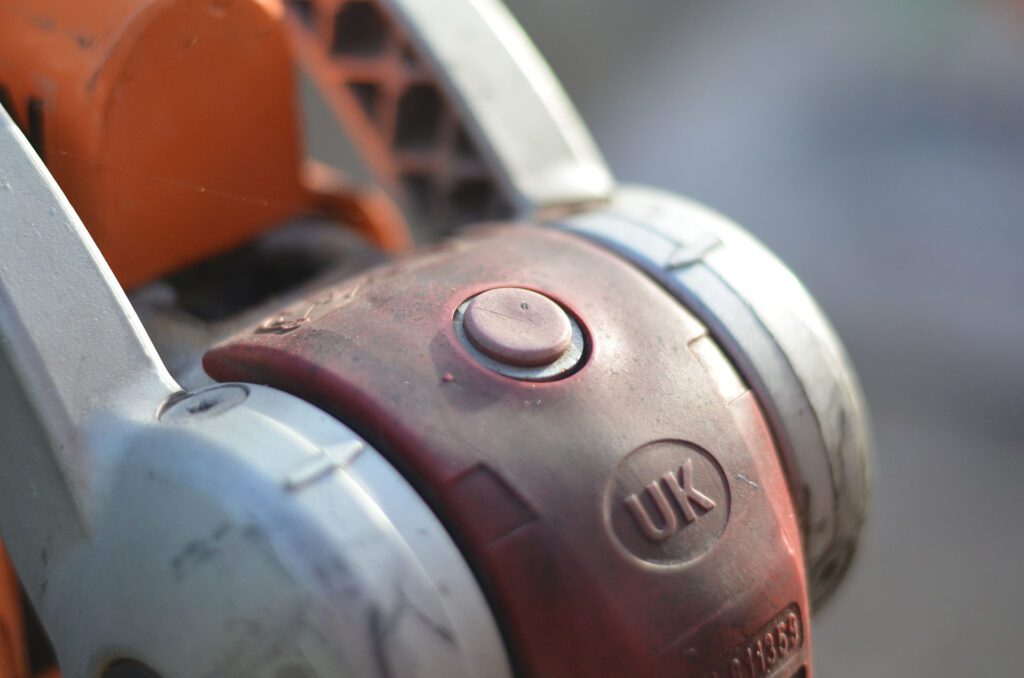
Most modern hitches, like the Alko system, have a locking mechanism that secures the hitch to the towball. After the hitch is placed onto the towball, ensure the locking handle clicks into place and is securely fastened. Always check that the red or black locking handle is up or in the correct position, as this indicates that the hitch is locked in place.
4. Perform the Jockey Wheel Test
Now that you’ve hitched your caravan, perform the jockey wheel wind-down test. This is a simple but crucial test to ensure the caravan is correctly hitched. Here’s why it matters:
- Wind the jockey wheel down slowly. As you do, observe the back of your car. The key test is to see if the back of the car lifts as the jockey wheel goes down.
- If the back of the car lifts, this indicates that the caravan is properly hitched. This means the hitch has engaged correctly with the towball, and the friction pads are applying enough force to prevent the van from detaching.
Why Not Use the Friction Pads?
Some people make the mistake of relying on the friction pads in the hitch to provide a false sense of security. Friction pads apply force to the sides of the towball, which help to prevent snaking and sway during towing. However, these pads can sometimes mask whether the hitch has properly latched onto the towball.
- No Friction Pads: By leaving the red or black handle up, you’re preventing the friction pads from engaging during the test. This removes any force from the pads, and you can see if the caravan is truly latched on properly. The back of your car should lift because the caravan is attached, not just because the friction pads are gripping the towball.
- With Friction Pads: If you don’t leave the handle up and let the friction pads engage, the gripping force might cause the car to lift, but it doesn’t necessarily mean the hitch is correctly latched. It just means the pads are doing their job, and this doesn’t provide the same confidence as the wind-down test with no friction.
In short, always leave the handle up and perform the jockey wheel test to ensure that the caravan is securely hitched.
Why Is This Test So Important?
This wind-down test serves as a final check to make sure your van is properly hitched before hitting the road. While caravans are unlikely to detach if hitched correctly (it would more likely flip the car over), it’s still important to double-check. This test gives you peace of mind and ensures that everything is securely locked in place, helping you avoid potentially dangerous situations on the road.
5. Attach the Breakaway Cable
Attach the breakaway to the designated hole if there is one or wrap around the tow ball
Additional Tips for Safe Hitching
- Double-check everything: Before setting off, take the time to re-check that the hitch is properly secured, the safety chain is connected, and the lights are functioning.
- Check the breakaway cable: Ensure that the breakaway cable is properly attached to the car, providing an emergency braking system in the event the caravan detaches from the towbar.
- Tighten the hitch: Some hitches may require tightening once in place. Always make sure the hitch is secure before towing.
Conclusion
Hitching your caravan correctly is essential for both safety and peace of mind. By performing the jockey wheel wind-down test and ensuring the friction pads aren’t engaged during this test, you can be confident that your caravan is securely hitched and ready for the road. Always check and double-check—these simple steps can prevent accidents and ensure your caravanning experience is a safe and enjoyable one.
Why do I need to leave the red or black handle up during the jockey wheel test?
Leaving the handle up prevents the friction pads from engaging, which gives you a clearer indication of whether the hitch is properly latched, rather than just relying on the pads to hold the caravan in place.
What happens if I don’t perform the wind-down test?
If you skip the test, you might not notice that the caravan isn’t properly hitched, leading to potential detachment while driving. The test ensures the hitch is securely locked onto the towball.
Can I still tow if the back of my car doesn’t lift during the wind-down test?
If the back of the car doesn’t lift during the test, the hitch may not be properly latched. You should re-check the hitch and the locking mechanism before attempting to tow.
How often should I check my hitching procedure?
Always perform the hitching procedure every time you tow, as conditions and setups can change. Make it a habit to double-check everything before setting off.