

Why Isn’t My Motor Mover Working?
Motor movers are invaluable for manoeuvring your caravan into tight spots, but a common issue many owners face is that their motor movers either won’t start or cut out intermittently. In many cases, the root of the problem is actually related to the battery, even if it seems fully charged. Here’s a look at why battery issues can affect motor movers, and what you can do to resolve and prevent these issues.
Motor Movers and Battery Load
Motor movers need a significant amount of power to operate, drawing a large load from the battery. So, even if your battery appears fully charged and shows a healthy voltage on a meter, it may not be up to the task. This is due to what’s known as surface charge—the initial voltage reading across the terminals that can drop quickly when the battery is under load.
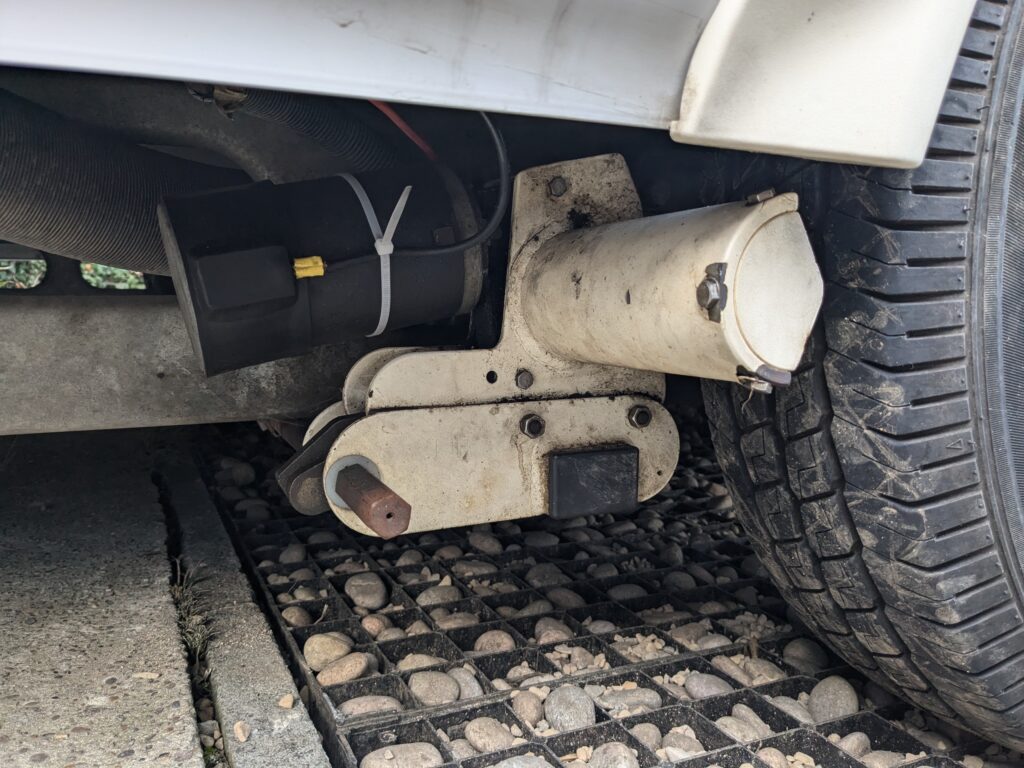
Motor movers require more than just a high voltage reading; they need a battery capable of holding that charge under strain. When batteries age or have been poorly maintained, their capacity to handle such a load diminishes, leading to performance issues with your motor mover.
Key Points to Remember About Battery Performance
Your caravan battery has two main states:
- Voltage with No Load: This is the surface charge reading that you might see on a voltmeter, but it doesn’t tell you if the battery can handle heavy use.
- Voltage Under Load: This is the real test of your battery’s capacity to supply power under strain, like when a motor mover is operating. If the voltage drops significantly when the mover is in use, it’s a sign that the battery can’t handle the load.

Why a Fully Charged Battery Can Still Fail
Just because you’ve charged the battery doesn’t necessarily mean it will power the motor mover effectively. Here’s why:
- Surface Charge vs. Load Capacity: After charging, batteries often show a high voltage reading due to the surface charge. However, the real test is how the battery holds up when the motor mover is running. If your battery quickly drops voltage when powering the mover, it’s an indicator that it lacks the depth of charge needed.
- Battery Aging and Maintenance: Older or poorly maintained batteries lose capacity over time. Deep discharges or leaving the battery in a low-charge state can damage its internal structure, reducing its ability to sustain high loads like those required by motor movers.
- Symptoms of a Weak Battery: Common signs include motor movers that start and stop, intermittent functionality, or complete failure to operate. These issues often point to a battery that’s struggling to supply the necessary power consistently.
Troubleshooting Motor Mover Power Issues
If your motor mover is cutting out or not working at all, here are some steps to diagnose and potentially resolve the problem:
- Check Battery Voltage Under Load:
- To get an accurate measure of battery performance, check the voltage while the motor mover is operating. If the voltage drops significantly, this suggests the battery is unable to sustain a high load and may need replacement.
- Consider the Age of the Battery:
- Lead-acid batteries, which are common in caravans, typically last 3-5 years with good maintenance. If your battery is older or has been frequently discharged, it might be time for a new one.
- Inspect Battery Connections:
- Loose, corroded, or weak connections can reduce power to the motor mover. Make sure all connections are clean and tight, as poor contacts can add resistance, leading to a voltage drop.
- Charge the Battery Properly:
- Using a smart charger can help maintain battery health by charging it gradually and avoiding overcharging. If you’re charging your battery right before use, it’s best to leave it on charge longer to allow the battery’s cells to fully saturate.
- Check the Battery’s Cold Cranking Amps (CCA):
- High-power applications like motor movers are similar to starting a vehicle engine. Batteries with a low CCA rating may struggle to deliver the needed power. Choosing a battery with a high enough CCA rating can improve mover performance.
Preventive Tips for Maintaining Motor Mover Performance
- Regularly Charge and Maintain the Battery:
- Keeping the battery charged when not in use prevents the internal lead plates from degrading and helps the battery retain its full capacity.
- Monitor Battery Health:
- Check the voltage periodically, especially when you’re planning to use the motor mover. If it’s reading low or doesn’t hold up under load, it may be time to replace it.
- Invest in a High-Quality Battery:
- Some batteries are better suited for high-drain devices like motor movers. Consider a high-quality, deep-cycle leisure battery or AGM (Absorbent Glass Mat) battery that can handle the sustained power demand.
- Keep Connections Clean and Secure:
- Battery connections can become corroded over time. Clean terminals with a battery brush and ensure they are tight. This can reduce power loss and ensure maximum power reaches the mover.
- Avoid Extreme Temperatures:
- Batteries lose capacity faster in very hot or cold conditions. If possible, store the battery in a moderate environment and ensure it’s charged regularly during storage.
Motor mover won’t work after I left the handbrake on.
Another common issue is the motor mover coupling failing after the hand brake has been left on whilst the motor mover was used.
The coupler is the weakest part of the system, situated between the electric motor and the gearbox, and will need replacing.
A good indication of this issue is if you can hear the motor engage and the roller takes the slack and moves a fraction, then stops. In this case, the motor mover coupler will need to be replaced.

Conclusion
Battery-related issues are the most common reason motor movers fail or work intermittently. Even a seemingly well-charged battery might not have the power to support the motor mover under load if it’s aging or hasn’t been maintained properly. By regularly testing your battery’s voltage under load, keeping it fully charged, and ensuring connections are clean and secure, you can prevent most motor mover issues. For best results, invest in a high-quality, high-capacity battery, and always monitor its health before relying on it to move your caravan.
Why does my motor mover work intermittently?
Intermittent operation is often due to a weak battery that can’t sustain the power required for the motor mover. Checking the battery voltage under load can reveal if this is the issue.
Can I use any battery for my motor mover?
Not all batteries are equal for high-drain applications like motor movers. Choose a deep-cycle leisure battery with a high CCA rating, as it’s designed to handle sustained power loads.
How often should I charge my battery if I’m not using it?
It’s best to charge your battery monthly if it’s in storage, or invest in a trickle charger that maintains the battery at a full charge without overcharging.
What should the battery voltage be under load?
Ideally, your battery should maintain a voltage above 12V even under load. A significant drop below this level indicates it may need replacement.
Can I use an AGM battery for my motor mover?
Yes, AGM batteries are a good choice as they handle deep discharges and high loads well. Just ensure that your charger is compatible with AGM batteries to avoid overcharging.