
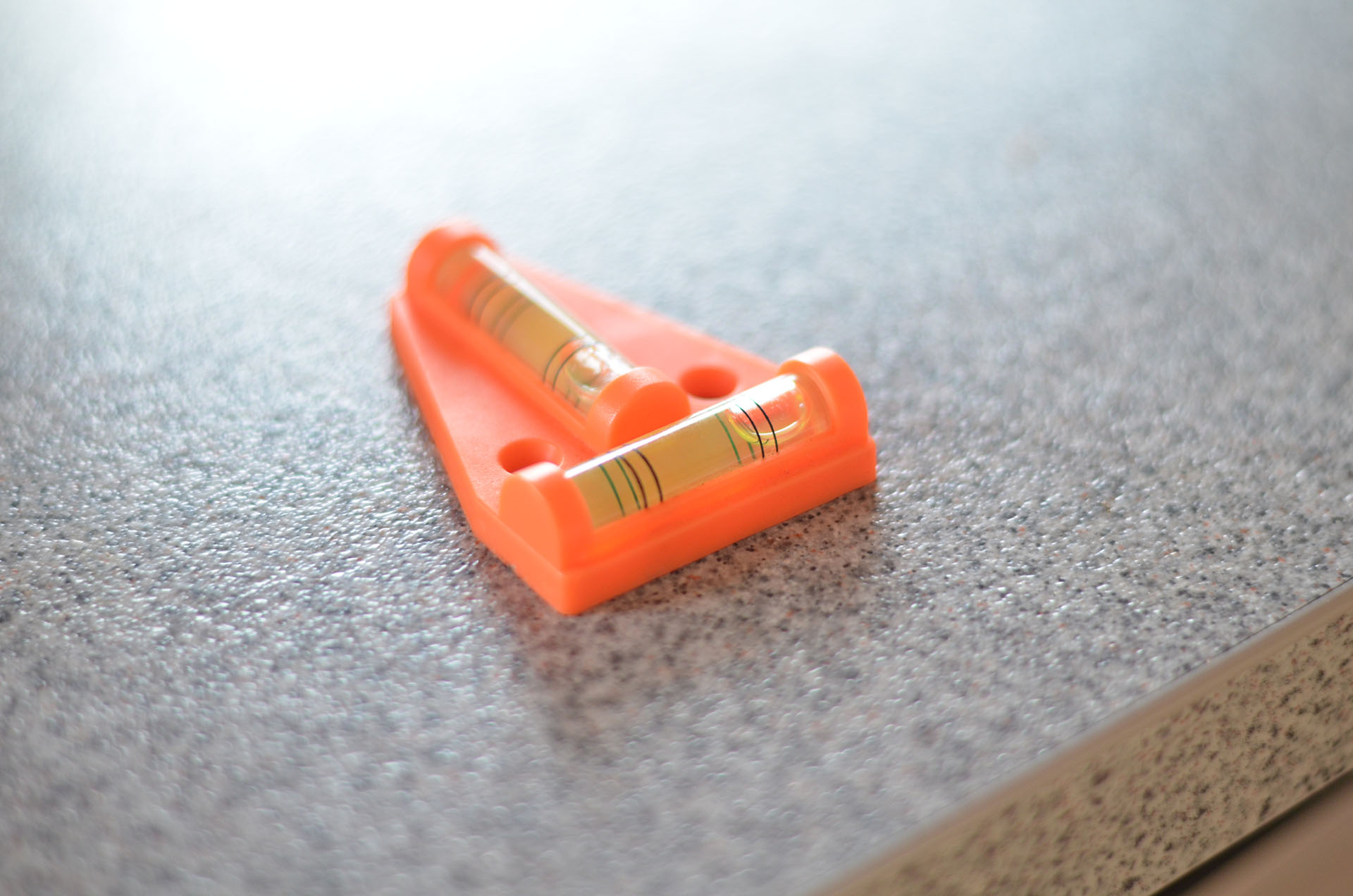
How to Level a Caravan: A Step-by-Step Guide
One of the first tasks when setting up your caravan on-site is levelling it properly. It’s not only about comfort—an unlevel caravan can affect everything from water flow to appliances’ functionality. However, caravaners often debate about the best way to level a caravan. Here’s a guide that sticks to the recommendations from most manufacturers, with practical tips for ensuring your caravan is set up safely and stably.
Why Leveling Your Caravan is Important
Proper levelling ensures stability and comfort while staying in your caravan. An unlevel caravan can lead to issues such as:
- Doors and windows that don’t shut properly
- Inconsistent water flow
- Problems with refrigeration and gas appliances
- An uncomfortable sleeping surface
Caravan manufacturers recommend that levelling is done carefully, especially to avoid using the steadies (or stabilizers) as jacks, as these aren’t designed to bear the van’s weight.
Step-by-Step Guide to Leveling Your Caravan
Step 1: Determine Which Side of the Caravan is Lowest
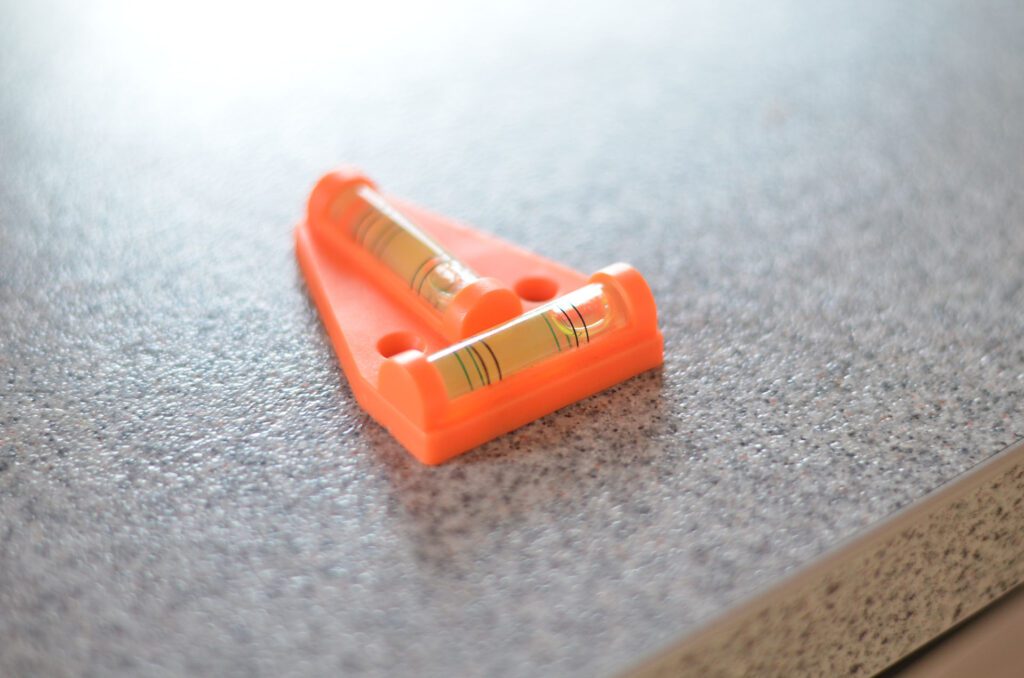
Once you’ve arrived at your campsite, park the caravan in your designated spot. Use a spirit level to determine which side of the caravan is lowest. This will tell you which side needs to be raised to achieve side-to-side levelling.
Step 2: Raise the Lower Side by Adjusting the Wheel Height
To lift the lower side, place a levelling device—such as a ramp, levelling blocks, or sturdy wood pieces—under the tyre of the low side. Avoid using the steadies for this; they’re not designed to lift the caravan’s weight.
- Wood Blocks: Stack pieces of wood to create the required height, then pull the caravan up onto the blocks.
- Ramps: Drive the caravan onto the ramp until it reaches the desired level. Wheel ramps with graduated steps allow for easy adjustments.
- Inflatable Levelers (e.g., Lock and Level): Inflate under the tyre to achieve the proper height, offering precision levelling.
Whichever method you choose, the key is to lift only the wheel, ensuring the caravan is balanced evenly.
Step 3: Adjust the Front-to-Rear Level with the Jockey Wheel
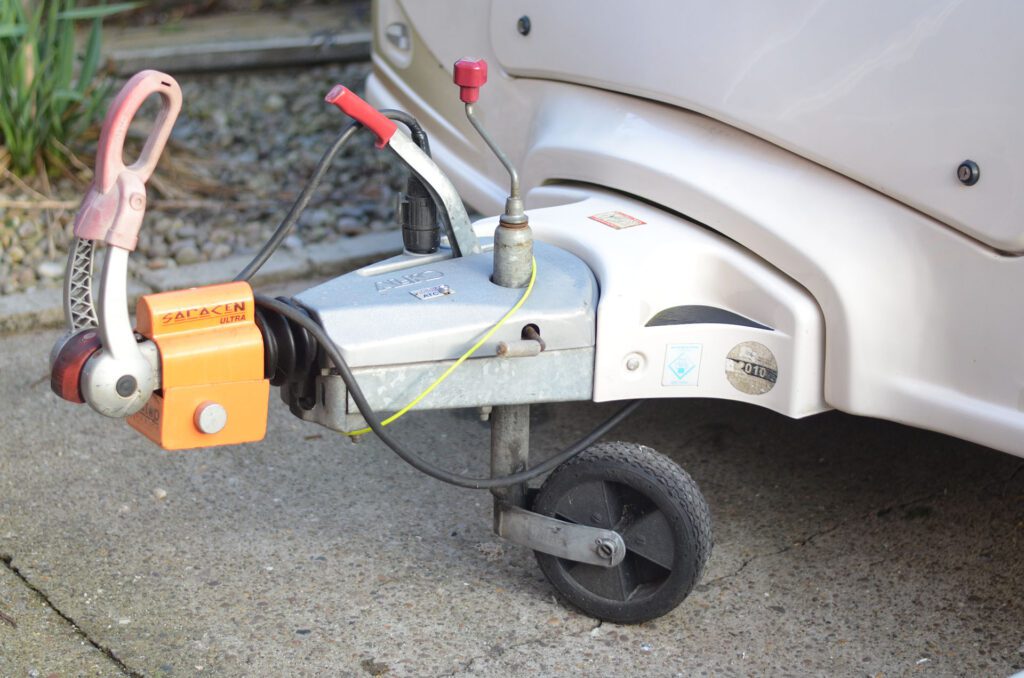
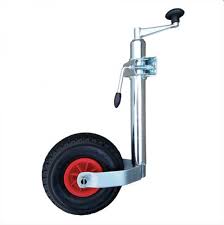
After levelling the caravan side-to-side, adjust the front-to-rear level using the jockey wheel. Place the spirit level at the front or rear of the caravan and adjust the jockey wheel up or down until the bubble indicates that the caravan is level front to back.
Step 4: Lower the Steadies

Once the caravan is level both side-to-side and front-to-rear, it’s time to lower the steadies. These should be used only for stability—not for lifting or supporting the caravan’s weight.
- Wind Down the Steadies Until They Touch the Ground: Start by lowering each steady until it just makes contact with the ground.
- Give Each Steady a Half Turn More: After touching the ground, turn the wrench a half turn further to secure each steady in place. This ensures they’re firm enough to stop movement but not bearing the caravan’s weight.
For single-axle caravans, the main weight-bearing points are the two wheels and the jockey wheel, with the steadies helping prevent swaying as you move inside the caravan.
Step 5: Re-check and Tweak After a Few Days
It’s common for the steadies to “settle” after a couple of days, especially if the ground is soft. Check the steadies after a day or two and make slight adjustments if needed to maintain stability.
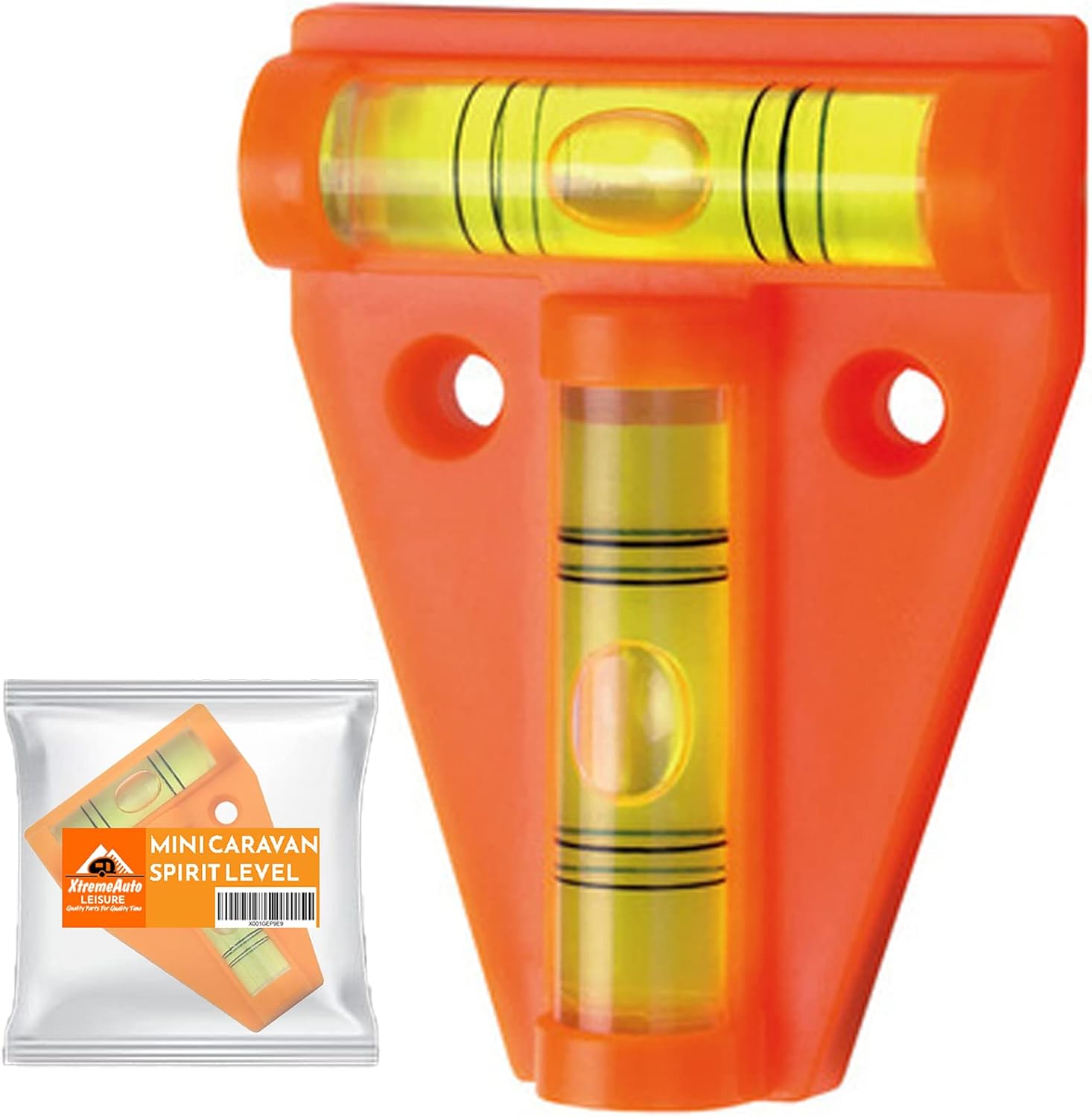
Caravan Spirit Level
Common Mistakes to Avoid
- Using the Steadies as Jacks: Avoid using steadies to lift the caravan or take on weight; they’re only designed to stabilize.
- Damaging the Jockey Wheel: incorrectly extending the Jockey wheel can cause the Jockey Wheel to collapse.
- Neglecting to Double-Check Level: After driving up on levelling blocks or adjusting the jockey wheel, re-check both side-to-side and front-to-rear levels to ensure accuracy.
- Ignoring Ground Conditions: Soft or uneven ground can affect stability. Consider using a base plate under each steady for extra support, especially on softer ground.
Tips for Maintaining a Level Caravan
- Check Levels Regularly: As ground conditions shift, your caravan may gradually lose its level. Keep a spirit level on hand to re-check levels periodically.
- Use a Sturdy Base for Steadies: On soft or uneven ground, place small base plates or pads under each steady for extra support.
- Consider an Automatic Leveling System: If your caravan is compatible, an automatic levelling system can simplify the levelling process and provide added stability.
Conclusion
Leveling your caravan is essential for comfort and functionality. By following these manufacturer-recommended steps—raising the lower side by the wheel, adjusting the front-to-rear level with the jockey wheel, and securing the steadies properly—you can ensure a safe and stable setup on any site. Taking a few extra minutes to get the level right at the start can save you from future hassles and make your caravan experience much more enjoyable.
How often should I re-check my caravan’s level?
It’s good practice to check levels each day, especially if the ground is soft or if you notice any shifting when walking inside the caravan.