How to Prevent Your Caravan Jockey Wheel from Collapsing
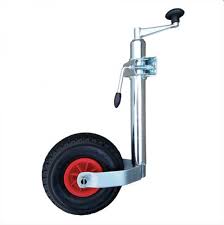
One of the most frustrating (and potentially dangerous) situations you can encounter when handling your caravan is a collapsed jockey wheel. Imagine unhitching your caravan, getting everything ready to set up camp, and then—bang—the jockey wheel gives way, causing the van to drop. Thankfully, there’s a simple method to help prevent this from happening, and it starts with understanding the common causes of jockey wheel failures and how to avoid them.
Why Jockey Wheels Collapse
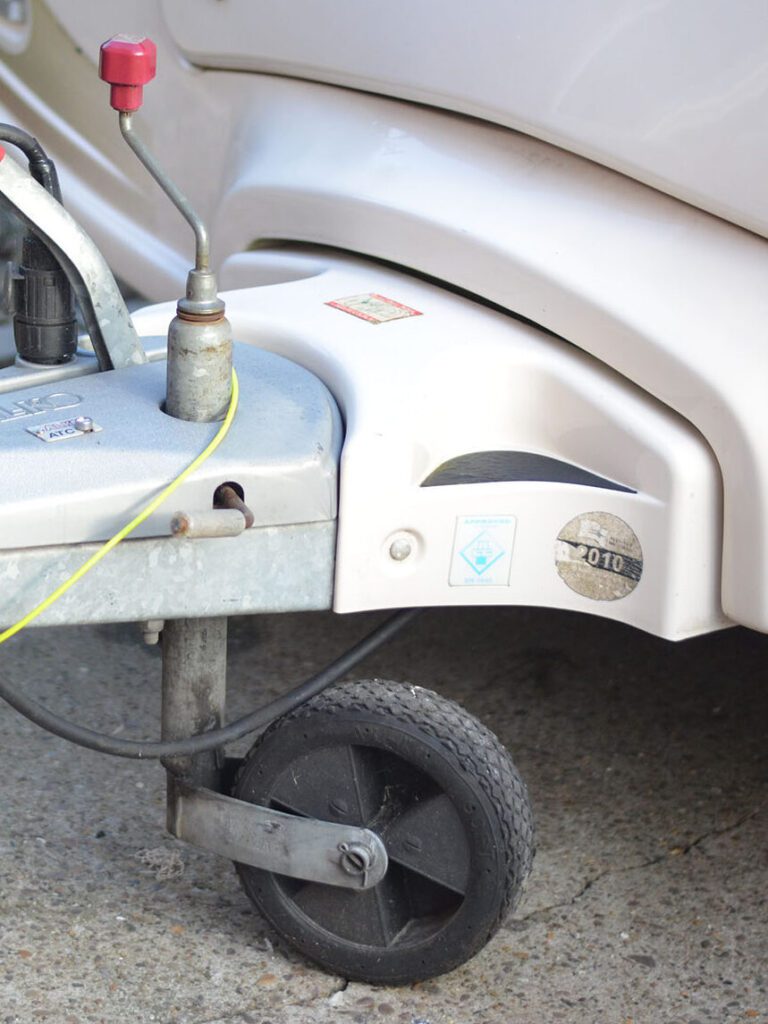
A collapsed jockey wheel can happen to even the most experienced caravaner, requiring a replacement Jockey Wheel. often when you believe the wheel clamp is tight enough. One theory suggests that this failure is due to an imbalance in the way the jockey wheel’s tube sits when clamped. Here’s the gist:
When the jockey wheel touches the ground during setup, the tube may not sit perfectly centered. You might feel like the clamp is tight, but when you start moving the caravan, the wheel can “self-center.” As it moves to align itself, the clamp may loosen slightly, causing the wheel to drop. Although this isn’t a proven fact, many caravan owners have found that by keeping the wheel slightly off the ground when clamping, they experience fewer issues with collapse.
Step-by-Step Guide: How to Prevent Jockey Wheel Collapse
To help ensure your jockey wheel stays securely in place, try following these steps each time you set up or unhitch your caravan.
Step 1: Position the Jockey Wheel Just Above the Ground
After you lower the jockey wheel tube, stop a few inches above the ground instead of allowing it to touch the ground immediately. This prevents the tube from being forced off-center as you clamp it.
Step 2: Tighten the Clamp Securely
Once the jockey wheel is hovering just above the ground, tighten the clamp. Without the wheel in direct contact with the ground, the tube can more easily align itself as you secure it. This results in a more centralized position, giving you a genuinely tighter grip.
Step 3: Double-Check the Clamp Tightness
Before you start winding the handle to fully lower or raise the caravan, give the clamp a second check to make sure it’s as tight as possible. This small extra step can prevent the jockey wheel from shifting unexpectedly once the caravan starts moving.
Step 4: Lower the Jockey Wheel Gently
After confirming that the clamp is tight, you can lower the jockey wheel to the ground with confidence. Proceed slowly and be attentive to any signs of slipping or movement. If you notice any wobbling or feel the wheel starting to loosen, stop immediately and re-tighten the clamp.
Step 5: Perform a Final Check Before Moving
Once the jockey wheel is securely clamped, give the wheel a final test by slightly rocking the caravan back and forth to ensure the clamp holds firmly. This is a quick test to confirm that everything is properly secured and won’t slip or collapse as you start moving.
Common Mistakes to Avoid When Setting the Jockey Wheel
Even small mistakes can contribute to an unstable jockey wheel. Avoiding these common errors can save you from unexpected collapses.
1. Lowering the Jockey Wheel Directly onto the Ground
Letting the wheel touch the ground before clamping can increase the risk of an off-center clamp. This can lead to a collapse when the wheel later adjusts itself under the caravan’s weight. Remember to leave a small gap before clamping to ensure proper alignment.
2. Not Checking for Clamp Tightness
Sometimes a clamp can feel secure without being fully tightened. Double-checking the clamp tightness helps to prevent any surprises as you move or unhitch your caravan.
3. Overloading the Jockey Wheel
Overloading your jockey wheel by putting too much weight on the front of the caravan can increase stress on the clamp and lead to failure. Ensure that the caravan’s weight distribution is balanced and within safe limits.
4. Skipping Maintenance on the Jockey Wheel Mechanism
Dirt, rust, or worn parts can make it harder to secure the clamp tightly. Regular maintenance of the jockey wheel, including lubrication and rust prevention, will help keep the mechanism in top condition.
Extra Tips for Safe and Secure Jockey Wheel Setup
In addition to the main steps outlined above, here are a few extra tips to help you set up your jockey wheel with confidence:
- Use a Ground Pad: When setting up on soft ground, place a sturdy pad under the jockey wheel to prevent it from sinking and becoming unstable.
- Upgrade to a Heavy-Duty Clamp: If you frequently encounter slipping issues, consider upgrading to a heavy-duty clamp designed for better grip.
- Check for Any Wear or Damage: Regularly inspect the jockey wheel and clamp for signs of wear, cracks, or loosened bolts. Addressing any issues early will help you avoid more serious failures.
Conclusion
Stopping your jockey wheel from collapsing is all about using a few simple techniques to ensure the wheel is securely clamped. By keeping the jockey wheel slightly off the ground before tightening the clamp, you allow the tube to align itself naturally, which can prevent the clamp from loosening when you start moving the caravan. Taking the extra time to double-check the clamp tightness and inspecting the mechanism for wear or damage can make all the difference between a smooth hitching experience and an unexpected drop.

Why does my jockey wheel keep slipping, even though I’ve tightened the clamp?
It could be due to the wheel being off-center when you clamped it. Try clamping it with the wheel slightly above the ground to allow for better alignment.
Is it normal for a jockey wheel to loosen after moving the caravan?
No, a well-secured jockey wheel should stay in place. If it loosens, the clamp may not be fully tightened, or the tube may have shifted to re-center itself.
What can I do if the clamp feels loose no matter how much I tighten it?
Check for wear or damage in the clamp mechanism. If it’s worn, it may be time to replace the clamp or consider a heavy-duty alternative.
Should I perform maintenance on the jockey wheel?
Yes, regular maintenance can help prevent issues. Lubricate moving parts and clean off any dirt or rust that could interfere with the mechanism.
Can I use my jockey wheel on soft ground without any extra support?
On soft ground, it’s best to use a pad or base to prevent the wheel from sinking. This provides added stability and reduces the risk of tipping or collapsing.