
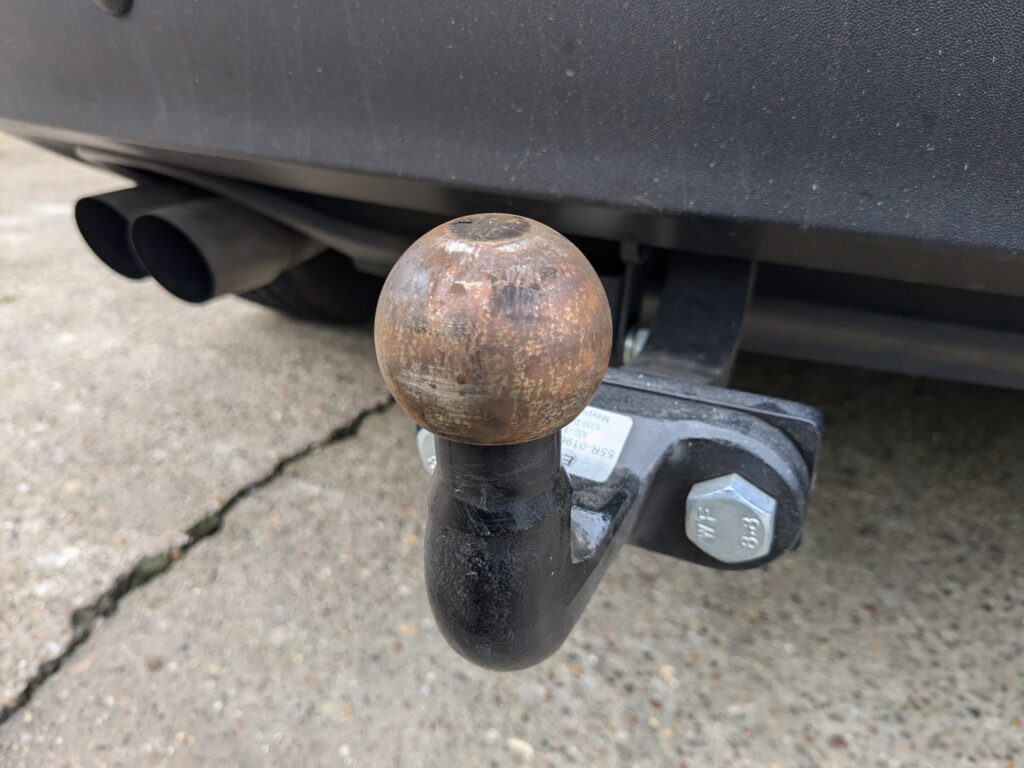
If you’ve noticed creaking or groaning sounds while towing your caravan, especially when turning corners, it’s likely related to the towball’s surface. When new, a towball comes with a nice coat of paint, but many experienced caravan owners recommend sanding this paint off before use. Here’s why removing this paint is beneficial and how it relates to your caravan’s performance.
Why Sand Off the Towball Paint?
- Friction Pad Grip: Most caravans use an AL-KO stabilizer with friction pads that press against the towball to prevent swaying. These pads are designed to grip an unpainted, clean metal surface. Unfortunately, they don’t adhere well to a painted surface. When used with a painted towball, the friction pads wear down the paint unevenly, which then turns into fine dust that can reduce the effectiveness of the stabilizer and lead to squeaks and groans as you drive.
- Durability & Rust: Towballs are painted mainly to prevent rust during storage and transport. Since leaving them unpainted can lead to quick rusting, manufacturers add this protective coat. They refrain from adding grease for rust prevention because it could cause confusion; a greased tow ball can interfere with the friction pads, and it’s not recommended for AL-KO hitch systems.
- Proper Sanding Technique: Removing the paint doesn’t mean achieving a polished, mirror-like finish. Instead, a simple sanding until the paint is gone, leaving a clean metal surface, is all that’s needed for the friction pads to grip effectively.
Dealing with Noise: Cleaning the AL-KO Friction Pads
If you’re still experiencing noise after removing the towball paint, the issue may be with your AL-KO stabilizer’s friction pads. These pads, especially the two on the sides, can develop a glaze over time that reduces their grip and can cause noise. Here’s a simple fix:
- Breaking the Glaze: You can reach the friction pads under the hitch head. Using medium-grade sandpaper (dry), gently sand the surface of the side pads to remove any glaze.
- Clean Up Residue: After sanding, wipe away any dust with a kitchen towel, and then spray the inside of the hitch head and the towball with brake cleaner. This process should eliminate most noise issues.
When to Replace Friction Pads

AL-KO friction pads don’t require frequent replacement. In fact, they are designed with a wear indicator to help you know when they actually need replacing. Here’s how to check:
- Using the Wear Indicator: When you hitch up the caravan, slowly lower the AL-KO handle until the pads touch the sides of the towball but don’t push the handle all the way down. On the handle, you’ll see an arrow and a cut-out area in the plastic around it.
- Arrow at the Wide End: Pads are in good condition.
- Arrow at the Narrow End: Pads are wearing down and might need shims (spacers) to pack them out.
- Using Shims: If the pads are still serviceable but just slightly worn, AL-KO supplies shims that can extend the life of the pads without needing immediate replacement.
In Summary
Removing the paint from your towball is an essential first step for quiet, smooth towing. This small adjustment can prevent noise, prolong the life of your friction pads, and help your caravan’s stabilizer perform as designed. And remember, sanding doesn’t have to make the towball shine, just be sure the paint is gone. Then, keeping your friction pads free from glaze will keep your caravan setup running smoothly on the road.